Payment Networks Enabling Instant Access to Unlicensed Austrian Gaming Platforms
Mia Hayes · Aug 22, 2026
Payment Networks Enabling Instant Access to Unlicensed Austrian Gaming Platforms
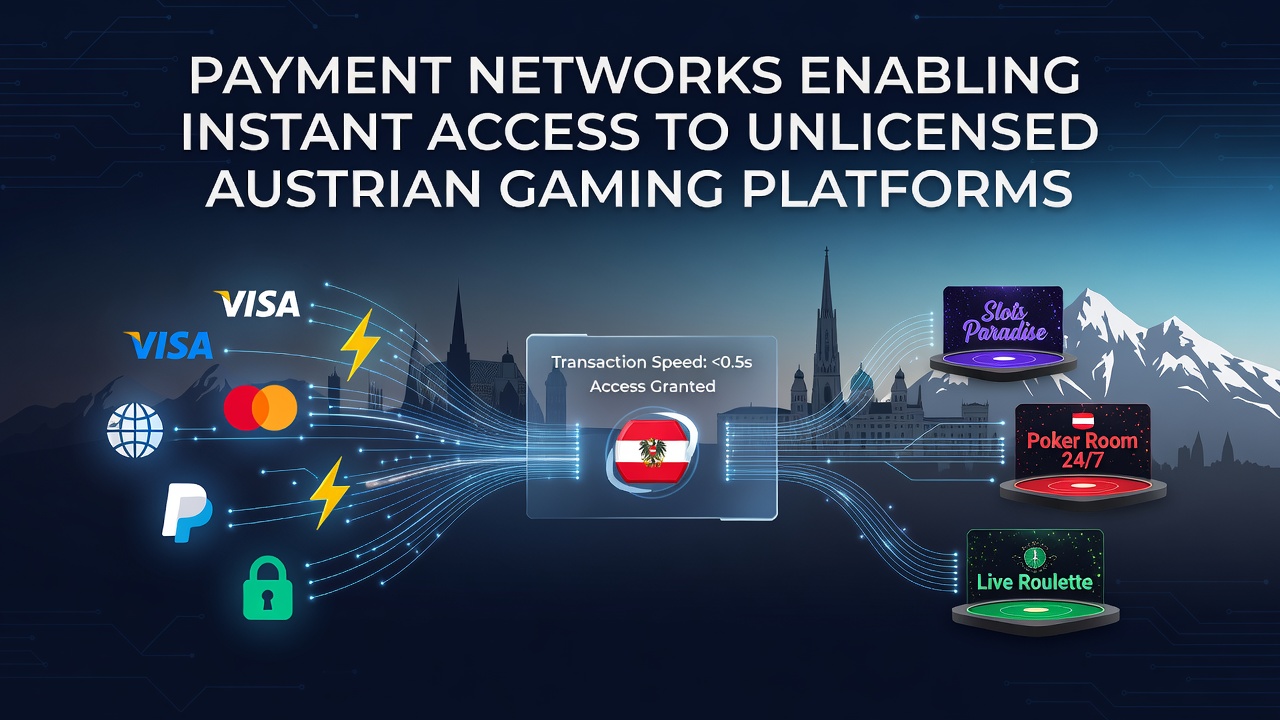
Payment networks have developed systems that support rapid fund transfers to online platforms operating outside Austria's licensed gambling framework, and these mechanisms rely on specific technologies that process deposits within seconds rather than days. Austrian law under the Glücksspielgesetz restricts legal online gaming to state-approved operators, yet certain networks continue to route transactions to platforms that lack local authorization. Data from transaction monitoring services shows that e-wallet providers and cryptocurrency exchanges handle a measurable share of these flows because they bypass traditional banking delays through direct ledger updates and instant confirmation protocols.
Regulatory Context in Austria
Austrian authorities enforce licensing through the Federal Ministry of Finance, which issues permits only to operators meeting strict capital and compliance standards, while unlicensed sites remain accessible via international servers. Observers note that payment processors often operate under foreign jurisdictions where rules differ, allowing them to complete transfers even when teh receiving platform falls outside Austrian oversight. In August 2026 reports from EU financial tracking agencies highlighted a steady volume of cross-border payments directed toward such platforms, with average settlement times under thirty seconds for approved digital wallets.
Key Payment Methods and Their Mechanics
Electronic wallets such as those built on the Neteller and Skrill infrastructures enable users to preload accounts with bank transfers or card payments, then move funds instantly to gaming sites through API connections that confirm balances in real time. Cryptocurrency networks add another layer because blockchain transactions achieve finality once blocks receive sufficient confirmations, often within minutes. Researchers at the University of Nevada Reno documented how these rails reduce friction compared with card networks that sometimes apply additional verification steps for gambling merchants. 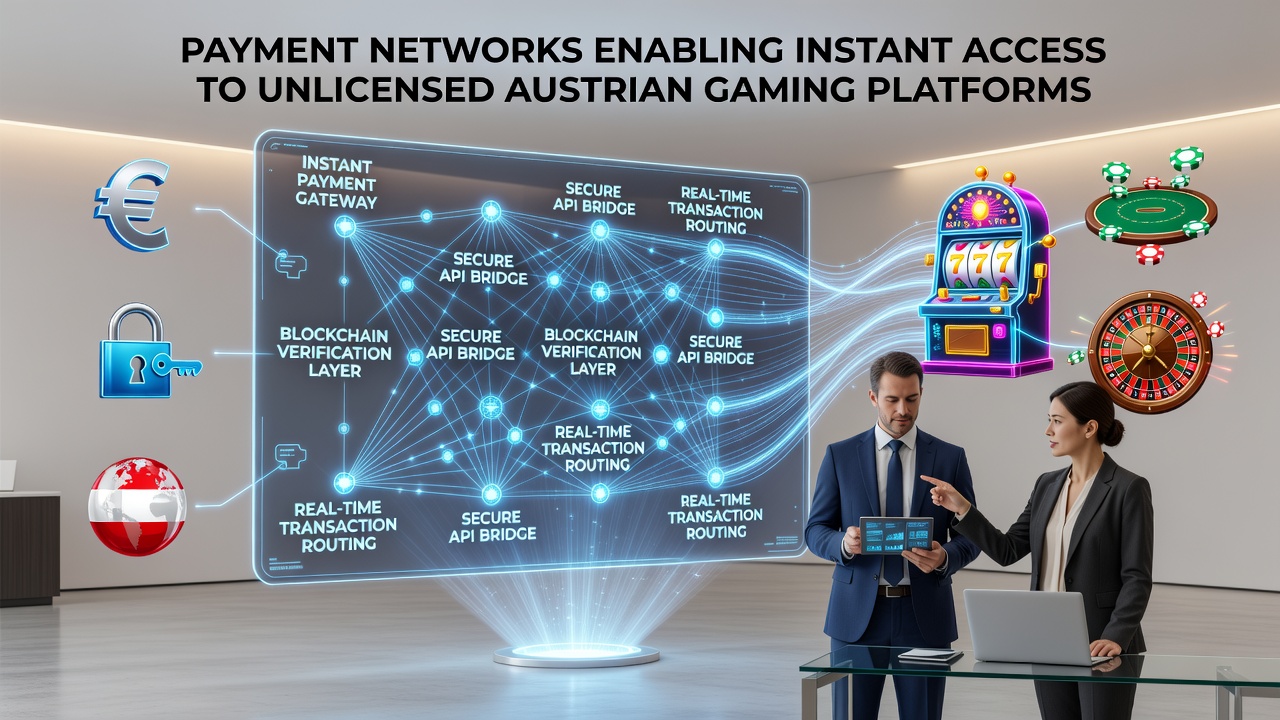
Prepaid voucher systems and mobile payment apps further expand options because they generate unique codes or QR links that platforms redeem without requiring direct bank details. Figures from industry reports reveal that these methods account for rising transaction counts in regions with restrictive local laws, since the networks treat the transfer as a standard peer-to-peer movement rather than a merchant category code flagged for gambling.
Technical Infrastructure Behind Instant Transfers
Application programming interfaces connect user accounts directly to platform ledgers, eliminating batch processing windows that older banking systems once imposed. When a deposit request arrives, the network verifies available funds through encrypted tokens and posts the credit almost immediately, allowing play to begin without waiting for interbank clearing. Those who have examined transaction logs note that stablecoin variants on public blockchains achieve even faster finality because consensus algorithms operate continuously rather than during banking hours.
Security layers include two-factor authentication and device fingerprinting that networks apply before releasing funds, yet these checks focus on fraud prevention instead of platform licensing status. According to a 2025 analysis published by the Australian Institute of Family Studies, similar patterns appear across multiple jurisdictions where payment speed takes precedence over destination screening.
Geographic and Volume Trends
Traffic data aggregated by payment analytics firms indicates that Austrian users represent a consistent segment of instant transfers to unlicensed domains, with peaks during evening hours when local time aligns with major European markets. Networks based in the European Economic Area often route through intermediaries in lower-regulation jurisdictions to complete the handoff. One study from the Canadian Centre on Substance Use and Addiction examined comparable flows in North America and found that wallet-to-wallet transfers grew by double-digit percentages year over year when local licensing lagged behind demand.
Conclusion
Payment networks continue to refine protocols that deliver near-instant access to platforms outside Austria's licensed system through wallets, cryptocurrencies, and voucher mechanisms. Available data from regulatory trackers and academic sources documents the technical pathways and volume patterns without addressing individual compliance choices. As transaction speeds increase and new digital rails emerge, the infrastructure supporting these transfers remains a measurable component of the broader online payment landscape.