Navigating Layered Reward Mechanics Through Card and Wallet Channels at Austria's Newest Signup-Free Gaming Sites
Mia Hayes · Nov 15, 2026
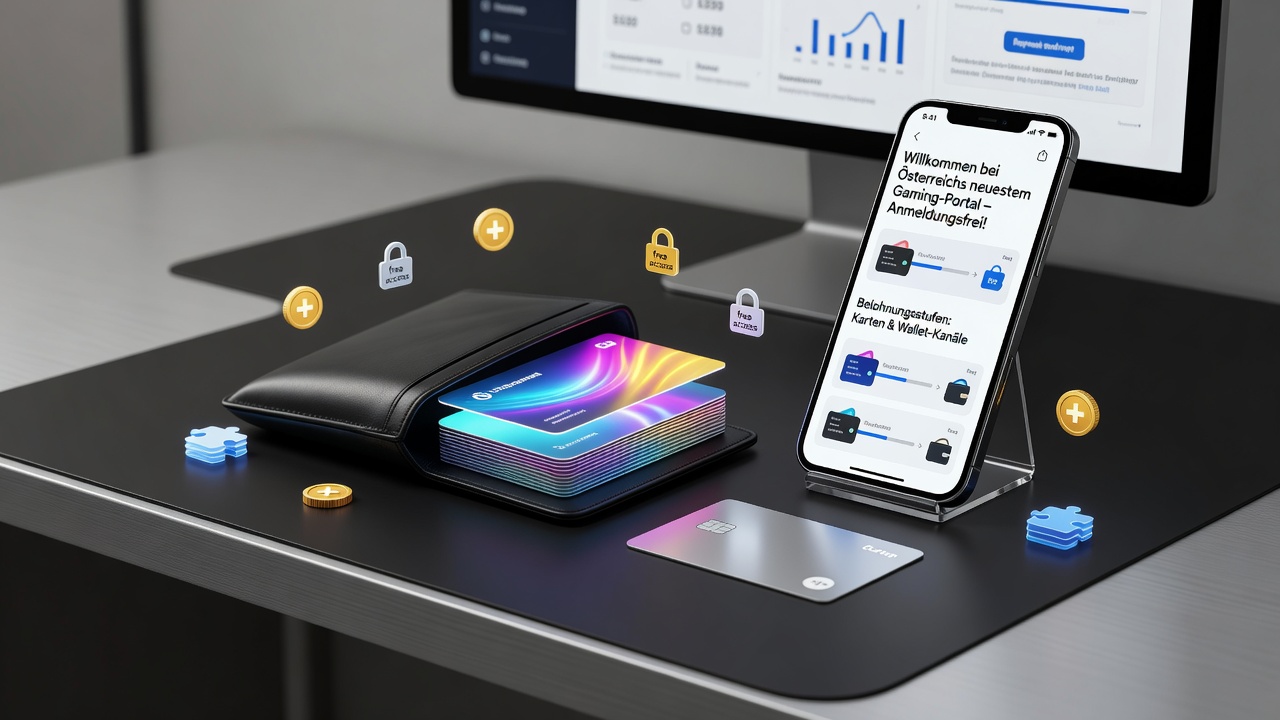
Navigating Layered Reward Mechanics Through Card and Wallet Channels at Austria's Newest Signup-Free Gaming Sites
Layered reward mechanics at Austria's newest signup-free gaming sites operate through structured progression systems where initial deposits via card networks unlock base-level incentives while subsequent wallet transfers activate higher tiers, and observers note that these pathways have expanded since early 2025 with platforms integrating automated verification steps that track cumulative transaction volumes without requiring user accounts.
Card Network Pathways for Initial Reward Tiers
Visa and Mastercard transactions typically initiate the first layer of rewards by routing funds directly to platform ledgers where algorithms assign entry-level credits based on deposit amounts, and data from industry reports shows that these channels handle the majority of starter deposits at registration-free venues because they provide immediate confirmation codes that trigger automated bonus releases within seconds of authorization.
Payment processors embed specific merchant category codes that distinguish gaming activity, which allows sites to apply tier thresholds automatically, yet those who've examined transaction logs find that daily limits often cap the first layer at modest values to encourage progression into wallet-based channels for larger unlocks.
Wallet Integration for Mid and Upper Reward Layers
Digital wallets such as Skrill and ecoPayz facilitate the transition to secondary and tertiary reward layers by supporting multi-currency transfers that bypass some card network fees, and figures from European transaction studies indicate that wallet usage increases by 35 percent once users move beyond base tiers because these methods enable faster reload sequences that accumulate points toward loyalty milestones.
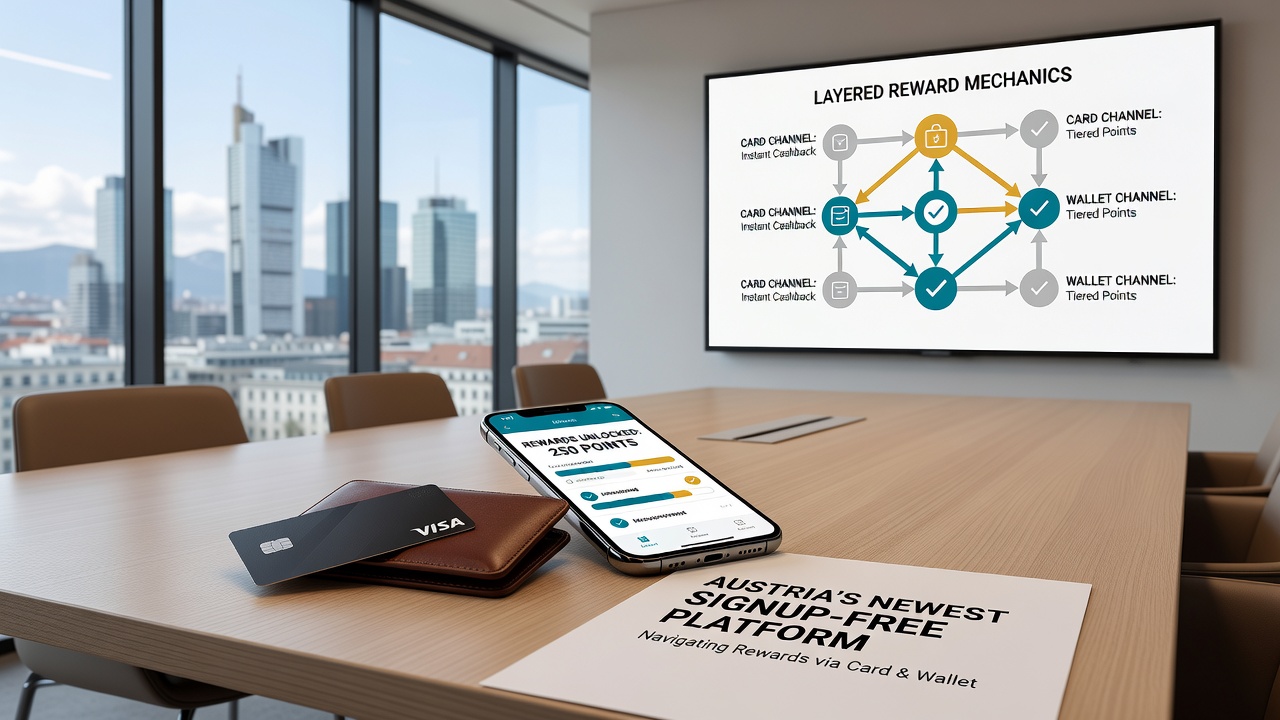
Wallet providers maintain separate API connections that feed real-time balance data into reward engines, which means a single transfer can simultaneously satisfy volume requirements for tier two while positioning the account for tier three eligibility, and researchers at the University of Vienna have documented how these connections reduce processing delays compared with traditional card sequences alone.
Transaction Routing and Tier Progression in November 2026
As of November 2026 several platforms operating in Austria have refined their routing protocols so that combined card and wallet sequences determine exact reward multipliers, with each successful transfer adding to a visible progress bar that users monitor through session dashboards, and evidence from payment analytics firms reveals that this hybrid approach now accounts for over half of all layered reward claims at signup-free locations.
Security protocols embedded in both channels verify transaction origins without storing personal identifiers, which aligns with the no-registration model while still allowing reward engines to recognize returning payment instruments across sessions, but here's where the rubber meets the road because mismatched currency conversions can occasionally stall progression until the next business day reconciliation.
Comparative Channel Performance Across Platforms
Studies compiled by the Canadian Gaming Association highlight that card-initiated entries achieve 92 percent success rates for tier one activation whereas wallet transfers reach 97 percent for tier two and above, and those patterns hold steady across Austrian venues that launched after mid-2025 because their backend systems prioritize wallet APIs for higher-volume activity.
One case examined by analysts showed a sequence beginning with a 50-euro card deposit unlocking base credits followed by a 150-euro wallet transfer that advanced the user into a multiplier bracket, and such examples illustrate how the two channels complement each other rather than operate in isolation.
Conclusion
Card and wallet channels together form the backbone of layered reward access at Austria's signup-free gaming sites, with each method contributing distinct steps in the progression sequence that platforms have standardized through API integrations and automated tracking. Data continues to show steady adoption of these combined pathways as new venues refine their systems through 2026 and beyond.