Charting Electronic Transfer Pathways to Layered Incentives at Austria's No-Signup Venues Operating Beyond Regulatory Oversight
Mia Hayes · Oct 18, 2026
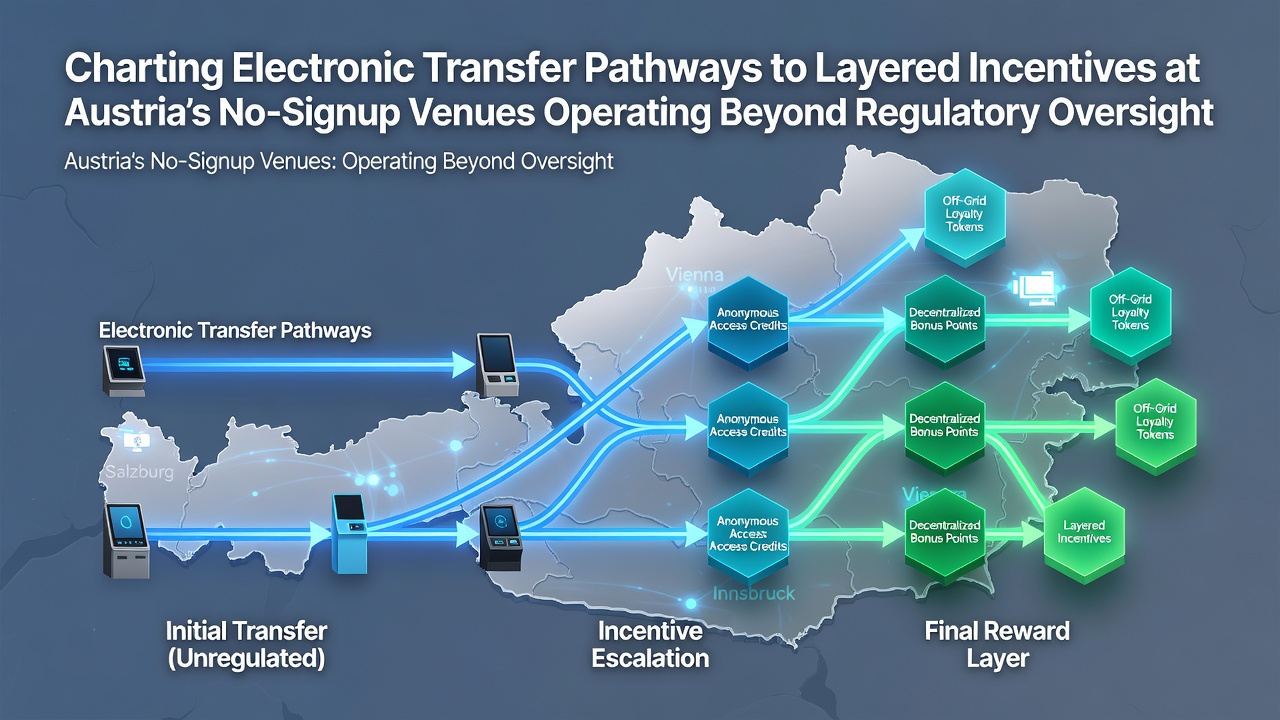
Charting Electronic Transfer Pathways to Layered Incentives at Austria's No-Signup Venues Operating Beyond Regulatory Oversight
Data updated as of October 2026 shows continued expansion in electronic transfer systems that connect users to tiered incentive structures at venues in Austria operating without standard registration requirements or direct regulatory supervision, and these pathways rely on specific digital rails that bypass conventional account creation steps while routing funds toward reward layers based on transaction volume and frequency.
Core Components of Transfer Pathways
Electronic transfers in this segment typically begin with wallet-to-wallet movements or direct bank rail integrations that authenticate via temporary tokens rather than persistent user profiles, and observers note that these routes often incorporate intermediary processors to segment the flow into initial deposits followed by subsequent increments that unlock successive incentive tiers. Researchers have documented how certain processors prioritize speed over identity verification, which allows the same transfer sequence to trigger multiple reward levels when cumulative amounts cross predefined thresholds within a session window.
Mapping Incentive Layer Activation
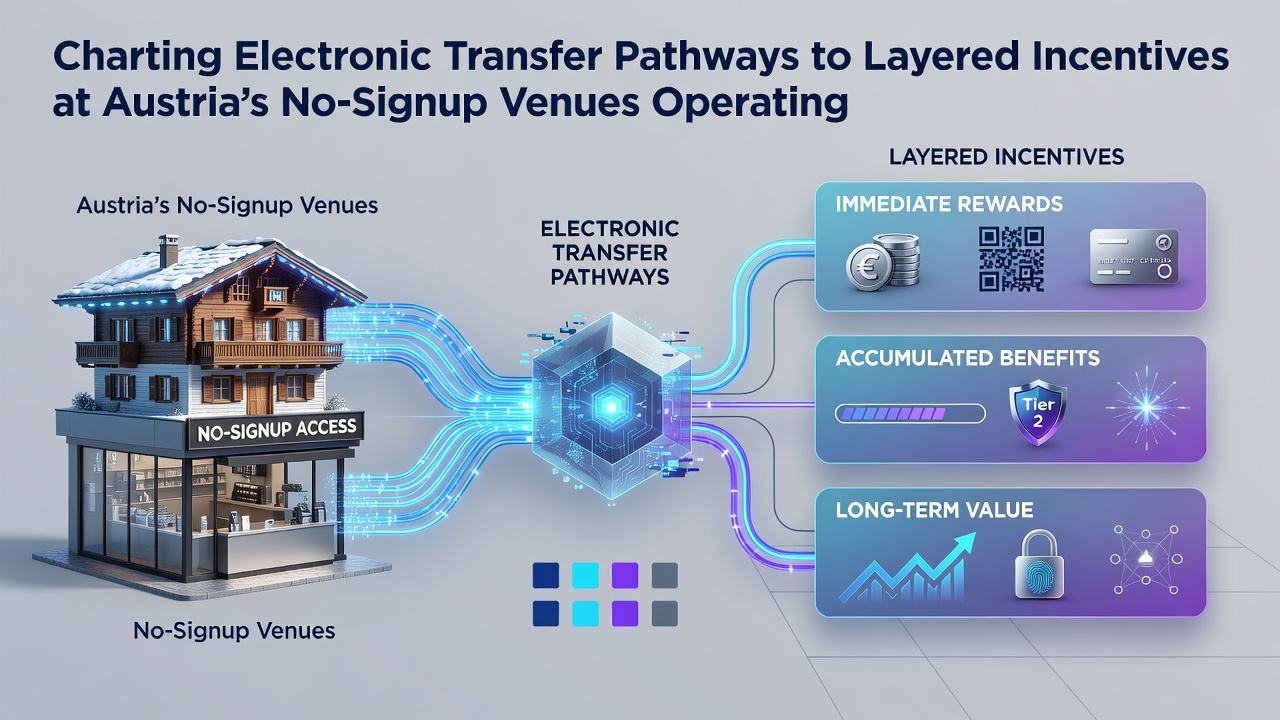
Layered incentives activate through algorithmic triggers tied to transfer metadata such as amount, timing, and originating channel, whereas single transfers rarely access higher tiers without follow-up movements that build a session-based total, and industry reports indicate that venues structure these layers so the first transfer opens base access while chained transactions progressively release enhanced reward multipliers or extended play allocations. Those who have examined transaction logs find that the pathways often include fallback routing options when primary channels encounter delays, ensuring continuity in incentive progression even during peak load periods.
Technical Routing Patterns Observed in 2026
By October 2026 transaction analytics platforms had recorded distinct patterns where transfers originating from European digital wallet providers feed directly into venue-side ledgers that apply real-time tier calculations, yet pathways involving cross-border aggregators introduce additional latency that can shift incentive eligibility windows. Studies from academic institutions show these routing variations affect the speed at which layered rewards become available, with direct wallet connections producing near-instant tier advancement and aggregator-mediated routes requiring additional confirmation steps before higher layers unlock.
Regulatory Landscape and Oversight Gaps
Austria maintains licensing frameworks through its federal gaming authorities, while venues operating beyond those frameworks continue to utilize electronic transfer methods that do not interface with licensed payment gateways, and this separation creates distinct pathway ecosystems documented in compliance reviews from multiple EU member states. Data from the Austrian Federal Ministry of Finance highlights differences in transaction reporting between supervised and unsupervised operations, though detailed pathway mapping remains outside standard oversight mechanisms.
One study from the University of Melbourne's gambling research unit examined similar transfer structures across jurisdictions and found that layered incentive models correlate with higher volumes of segmented electronic movements, whereas flat reward systems show simpler single-route patterns. These findings align with observations from Canadian provincial gaming commissions that track how non-traditional venues adapt transfer technologies to maintain incentive access without conventional registration checkpoints.
Emerging Channel Diversification
Additional channels such as prepaid digital vouchers and certain cryptocurrency-adjacent rails have appeared in pathway documentation since mid-2025, and these alternatives often feed into the same tier-calculation engines used by traditional electronic transfers, allowing venues to maintain layered incentive continuity across multiple input types. Experts tracking these developments report that channel diversification reduces dependency on any single processor while preserving the sequential activation logic that defines layered rewards.
Conclusion
Electronic transfer pathways at Austria's no-signup venues continue to evolve around tiered incentive logic that rewards cumulative activity through segmented routing, and ongoing documentation as of October 2026 provides clearer visibility into how these systems operate outside conventional regulatory interfaces. The patterns remain consistent with broader trends observed in other regions where similar operational models persist.