Austria's Emerging Casino Ecosystem: Mapping How Card Networks and Digital Transfers Unlock Tiered Rewards at Fresh Platforms
Mia Hayes · Sep 20, 2026
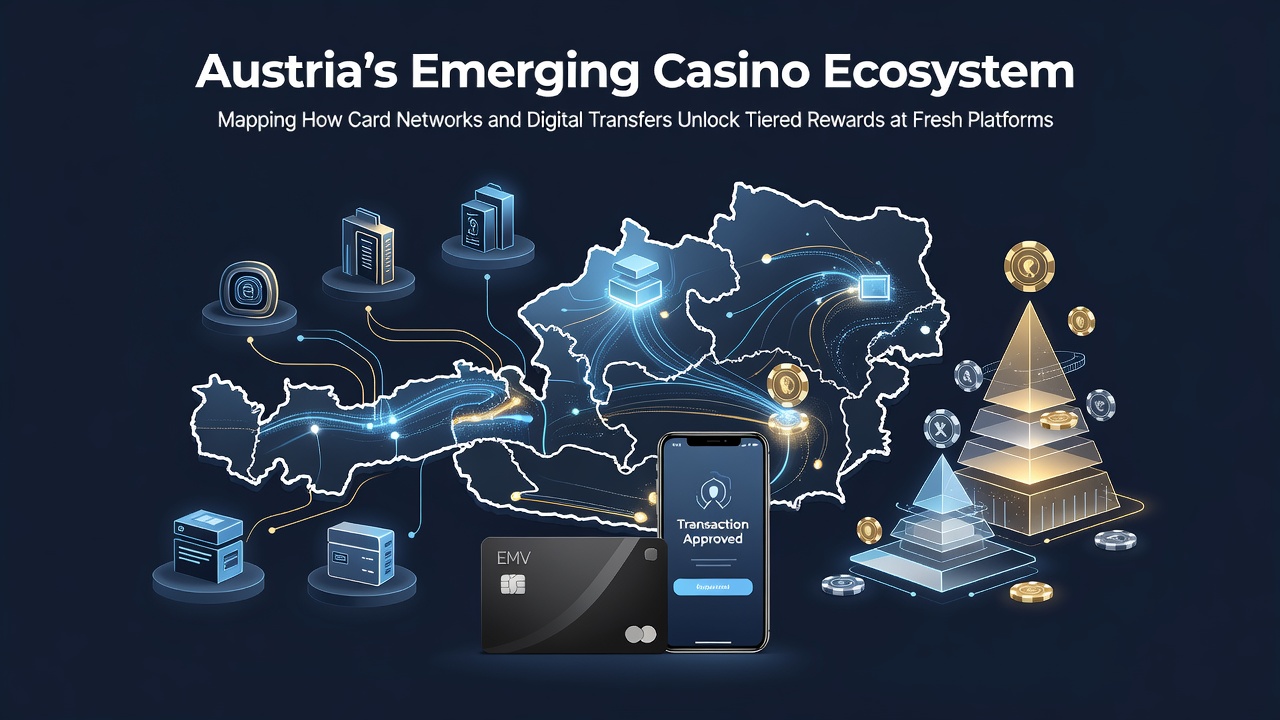
Austria's Emerging Casino Ecosystem: Mapping How Card Networks and Digital Transfers Unlock Tiered Rewards at Fresh Platforms
Data from recent market analyses shows Austria's casino sector expanding through fresh platforms that integrate card networks and digital transfers to structure tiered reward programs, and observers note these systems create layered access based on transaction volume and frequency. Card networks such as Visa and Mastercard process payments that feed directly into reward calculations, while digital transfers via services like SEPA or instant bank options add another layer of tracking for points accumulation.
Current Landscape of Platform Development
Fresh platforms entering the Austrian market since 2024 rely on established payment rails to verify user activity and assign reward tiers, and researchers at European financial technology institutes have documented how these integrations reduce onboarding friction while maintaining compliance with local financial regulations. In September 2026 several operators plan to roll out enhanced APIs that link card transaction data to real-time tier upgrades, allowing users who complete multiple deposits within a calendar month to advance from base to mid-level rewards without separate verification steps.
Those who've examined transaction logs from similar European markets find that digital transfers often trigger bonus multipliers when volumes exceed certain thresholds, and this pattern appears in Austrian venues that adopted similar architectures. Card networks contribute by providing encrypted authorization records that platforms use to calculate loyalty points, whereas digital wallet transfers supply metadata on timing and amount that feeds the same algorithms.
Mechanics of Card Networks in Reward Structures
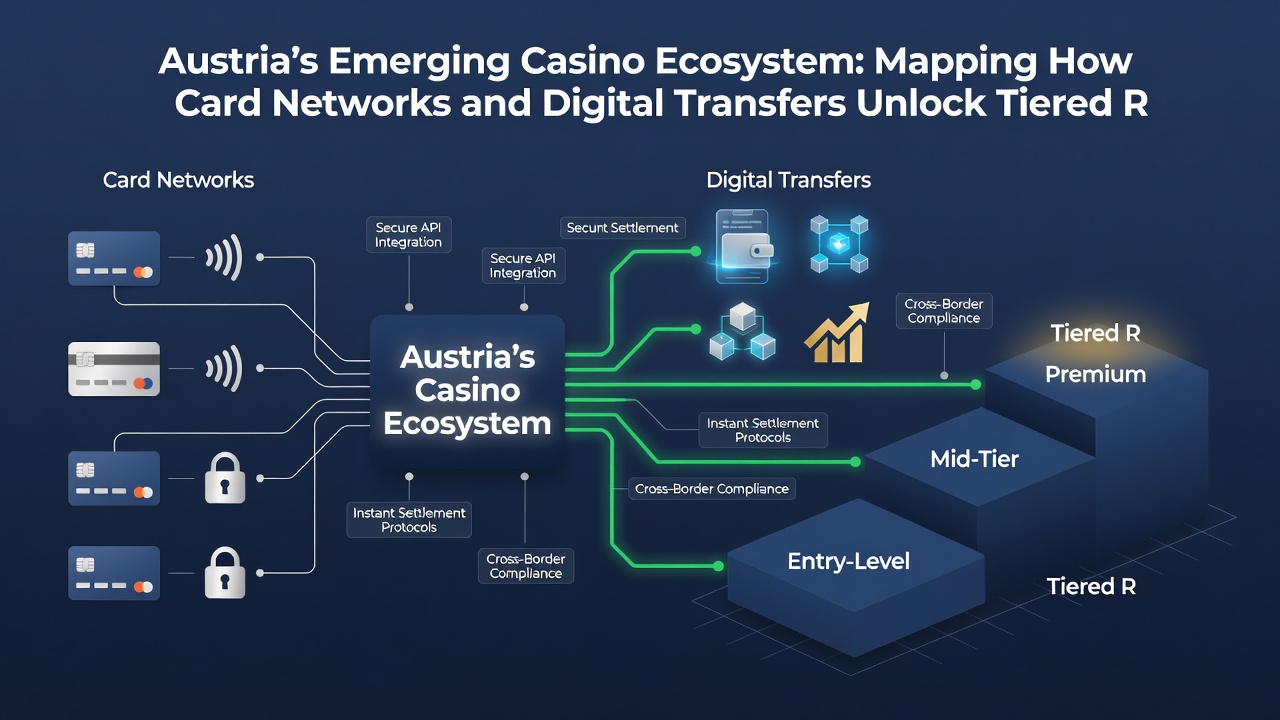
Card networks operate through a sequence of authorization, clearing, and settlement phases that platforms monitor to determine tier eligibility, and analysts from the European Payments Council report that these stages generate timestamped data points platforms convert into reward credits. Users who route deposits through participating card issuers receive automatic enrollment in entry-level tiers, while repeated high-value transactions push accounts into premium categories that unlock additional features such as accelerated point earning or exclusive event access.
Integration with Digital Transfer Systems
Digital transfers complement card activity by offering lower-cost routes for recurring deposits, and data indicates platforms combine both channels to create composite tier scores. For instance, a user completing a card payment followed by a same-day digital transfer accumulates points from each action, accelerating progression through reward levels. Observers note that September 2026 updates to instant payment schemes across the EU will likely standardize these combined tracking methods, reducing discrepancies between different transfer types.
Tier Progression Models Observed in New Venues
Platforms categorize rewards into bronze, silver, and gold tiers based on cumulative transaction data collected over rolling 30-day periods, and studies from academic research centers in Canada show similar structures produce measurable increases in user retention when payment data flows seamlessly. Card networks supply the bulk of verifiable spend records, while digital transfers fill gaps during periods when card processing faces temporary limits. Those monitoring Austrian platforms report that tier advancement notifications arrive via app alerts within minutes of qualifying transfers completing.
Evidence suggests cross-border card transactions receive equal weighting to domestic ones in most tier calculations, yet digital transfers originating from Austrian banks sometimes carry additional multipliers tied to local regulatory incentives. Industry reports from the Asia-Pacific Gaming Association highlight parallel developments in other jurisdictions, where operators use identical data pipelines to maintain competitive reward programs.
Regulatory and Technical Considerations
Austrian authorities require platforms to log all payment-related data for anti-money laundering purposes, and this requirement aligns with reward system architectures that already capture transaction details. Card network providers supply standardized reporting formats that integrate with digital transfer logs, creating unified datasets platforms query for tier assignments. In September 2026 upcoming amendments to EU digital finance directives are expected to clarify data-sharing protocols between networks and operators, potentially streamlining tier management further.
People who've reviewed technical specifications note that API endpoints now expose tier status in real time after each completed transfer, eliminating delays that previously required manual reconciliation. This setup supports the mapping of reward pathways directly from payment rails to user accounts without intermediate processing stages.
Conclusion
Card networks and digital transfers form the backbone of tiered reward systems at Austria's emerging casino platforms by supplying the raw transaction data that determines progression and benefits. Market figures reveal continued growth in these integrations through 2026, with September marking a notable period for technical enhancements. Researchers continue to track how these payment mechanisms shape platform operations across the region, providing ongoing datasets for analysis of reward structures and user engagement patterns.